Jungle wildlife safaris in Amazon rainforest: Explore the Untamed Wilderness
Introduction to Jungle Wildlife Safaris in Amazon Rainforest
Jungle wildlife safaris in Amazon rainforest – The Amazon rainforest is a vast and diverse ecosystem that is home to a wide array of plant and animal species. It is often referred to as the “lungs of the Earth” due to its role in producing oxygen and regulating the global climate.
For adventure enthusiasts, jungle wildlife safaris in the Amazon offer a unique opportunity to explore this incredible biodiversity up close. From spotting colorful birds and playful monkeys to encountering elusive big cats and giant anacondas, the thrill of seeing these animals in their natural habitat is unmatched.
The Importance of Sustainable Tourism
Sustainable tourism plays a crucial role in preserving the Amazon rainforest and its wildlife. By promoting responsible travel practices, such as supporting local communities, conserving natural resources, and minimizing carbon footprints, visitors can help protect this fragile ecosystem for future generations.
Popular Wildlife Species in the Amazon Rainforest
The Amazon rainforest is home to a diverse range of iconic wildlife species that play crucial roles in maintaining the delicate balance of the ecosystem. Some of the most well-known species include jaguars, macaws, and anacondas.
Jaguars
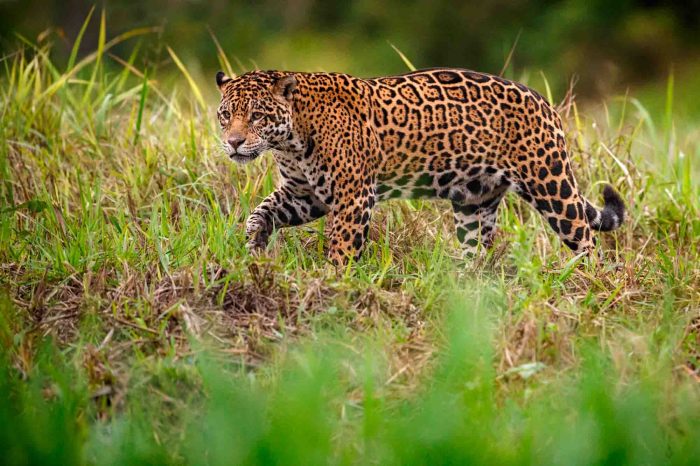
Jaguars are the largest big cat in the Americas and are known for their powerful hunting abilities. These apex predators play a vital role in regulating the population of other species in the rainforest. Jaguars help maintain the balance of the ecosystem by controlling the numbers of herbivores and preventing overgrazing.
Macaws
Macaws are colorful parrots that are highly sought after for their beauty. These birds play a key role in seed dispersal, as they feed on fruits and then spread the seeds across the rainforest. This helps in the regeneration and diversity of plant species in the Amazon.
Anacondas, Jungle wildlife safaris in Amazon rainforest
Anacondas are the largest snakes in the world and are known for their impressive size and strength. These apex predators help control the population of smaller animals in the ecosystem. Anacondas also play a crucial role in maintaining the food web balance by preying on a variety of prey species.These iconic species in the Amazon rainforest face numerous challenges due to deforestation and climate change.
Loss of habitat from deforestation threatens their survival by reducing available space and food sources. Climate change also poses a threat by altering the natural habitats and food availability for these species. Conservation efforts are crucial to protect these iconic wildlife species and preserve the biodiversity of the Amazon rainforest.
Guided Tours and Packages for Jungle Safaris
When it comes to exploring the mesmerizing wildlife of the Amazon rainforest, there are several tour companies that offer guided jungle safaris. These tours provide a unique opportunity to experience the rich biodiversity and stunning landscapes of the region up close.
Overview of Tour Companies
There are numerous tour operators that specialize in jungle safaris in the Amazon, each offering a unique experience tailored to different preferences and budgets. Some well-known companies include:
- Amazon Nature Tours
- Jungle Adventures Amazon
- Wildlife Amazon Expeditions
Comparison of Safari Packages
When choosing a jungle safari package, it’s essential to consider factors such as duration, activities included, and accommodations provided. Here is a comparison of typical safari packages:
| Company | Duration | Activities | Accommodations |
|---|---|---|---|
| Amazon Nature Tours | 5 days | Hiking, wildlife spotting, canoe rides | Lodges in the heart of the rainforest |
| Jungle Adventures Amazon | 7 days | Birdwatching, night safaris, cultural excursions | Eco-friendly bungalows |
| Wildlife Amazon Expeditions | 3 days | Kayaking, jungle survival skills, waterfall visits | Tented camps along the river |
Tips for Choosing the Right Tour Operator
When selecting a tour operator for your jungle safari, keep the following tips in mind to ensure a memorable experience:
- Research the reputation and reviews of the tour company from previous travelers.
- Consider the group size and guide-to-traveler ratio for a more personalized experience.
- Check if the company follows sustainable and responsible tourism practices in the rainforest.
- Look for packages that align with your interests, whether it’s birdwatching, photography, or cultural immersion.
Wildlife Encounters and Conservation Efforts
When embarking on jungle safaris in the Amazon Rainforest, one of the most thrilling aspects is the opportunity to encounter diverse wildlife in their natural habitat. These encounters provide a unique glimpse into the intricate ecosystem of the rainforest and the importance of conservation efforts to protect these species.
Personal Wildlife Encounters
- During a jungle safari, I had the incredible chance to spot a majestic jaguar stealthily moving through the dense foliage. The sight of this elusive big cat left me in awe of the beauty and power of the Amazon’s wildlife.
- Another memorable encounter was witnessing a colorful macaw perched high up in the canopy, its vibrant feathers standing out against the lush green backdrop. The diversity of bird species in the rainforest is truly mesmerizing.
- One of the most heartwarming moments was observing a family of playful river otters frolicking in a nearby stream. Their playful antics highlighted the importance of protecting their natural habitat for future generations to enjoy.
Responsible Behavior During Wildlife Sightings
It is crucial to practice responsible behavior when encountering wildlife in the Amazon Rainforest. This includes maintaining a safe distance from the animals, refraining from feeding them, and avoiding any actions that may disrupt their natural behavior. By respecting the wildlife and their habitat, we can ensure their well-being and conservation.
Conservation Projects in the Amazon
Several conservation projects are actively working to protect the biodiversity of the Amazon Rainforest. These initiatives focus on preserving endangered species, reforestation efforts, and sustainable ecotourism practices. By supporting these projects, we contribute to the long-term conservation of the rainforest and its invaluable wildlife.
Cultural Immersion and Local Communities
When embarking on a jungle wildlife safari in the Amazon rainforest, travelers have the unique opportunity to explore the rich cultural heritage of the indigenous tribes that call this biodiverse region home. Engaging with local communities not only offers a deeper understanding of their way of life but also contributes to the preservation of their traditions and customs.
Indigenous Tribes in the Amazon Rainforest
There are numerous indigenous tribes scattered throughout the Amazon rainforest, each with their own distinct language, beliefs, and practices. These communities have lived in harmony with the natural environment for generations, possessing valuable knowledge of the flora and fauna that inhabit the rainforest.
Opportunities for Cultural Exchange
- Visiting indigenous villages: Travelers can visit local communities and interact with tribe members to learn about their daily routines, traditional crafts, and spiritual rituals.
- Participating in cultural ceremonies: Some tours offer the chance to witness or even participate in traditional ceremonies, such as dances, music performances, or healing rituals.
- Homestays with indigenous families: Staying with a local family provides a more immersive experience, allowing travelers to engage in daily activities and gain a deeper appreciation for the community’s way of life.
Supporting Indigenous Rights and Sustainable Tourism
It is essential to support indigenous rights and sustainable tourism practices when interacting with local communities in the Amazon rainforest. By respecting their traditions, preserving their cultural heritage, and promoting fair trade of their handicrafts, travelers can contribute to the well-being and autonomy of indigenous tribes.
Safety Tips and Precautions for Jungle Safaris
When embarking on a jungle safari in the Amazon, it is crucial to prioritize safety to ensure a smooth and enjoyable experience. Here are some essential tips and precautions to keep in mind:
Essential Items to Pack for a Jungle Safari
- Proper clothing for protection against insects, sun, and rain.
- Insect repellent and sunscreen.
- Sturdy hiking boots for walking through the uneven terrain.
- First aid kit with basic medical supplies.
- Flashlight and extra batteries for navigating in low light conditions.
- Waterproof bags to keep electronics and important documents dry.
Safety Tips for Navigating Through Dense Vegetation and Encountering Wildlife
- Stay on designated trails and follow the guidance of your tour guide.
- Avoid touching plants or animals unless instructed by your guide.
- Be cautious around bodies of water to prevent accidental falls or encounters with wildlife.
- Keep a safe distance from wildlife and refrain from feeding or approaching them.
- Listen to safety briefings and follow all instructions in case of emergencies.
Importance of Travel Insurance and Emergency Preparedness
Travel insurance is crucial when exploring remote jungle areas like the Amazon. It provides coverage for medical emergencies, trip cancellations, and evacuations. In case of any unforeseen incidents, having travel insurance can offer peace of mind and financial protection. Additionally, being prepared with emergency supplies and knowing emergency contact information can make a significant difference in challenging situations.
Photography and Filming Tips for Wildlife Safaris
When embarking on a wildlife safari in the Amazon rainforest, capturing stunning photographs of unique wildlife is a top priority for many visitors. However, it is crucial to approach photography and filming with respect for the environment and the animals that call the jungle home.
Ethical Considerations in Wildlife Photography
When photographing wildlife in their natural habitat, it is important to prioritize the well-being of the animals. Avoid disrupting their behavior or habitat for the sake of a picture. Keep a safe distance and use telephoto lenses to get close-up shots without intruding on their space.
Remember that flash photography can startle or distress animals, so it is best to turn off the flash and rely on natural lighting. Be patient and observant to capture authentic moments without causing harm or stress to the wildlife.
Tips for Preserving Memories Responsibly
- Respect the wildlife by observing from a distance and allowing them to behave naturally.
- Be mindful of your surroundings and avoid trampling vegetation or disturbing the environment.
- Capture a variety of shots to tell a story, including close-ups, wide shots, and action shots.
- Consider the composition of your photographs, focusing on lighting, framing, and the unique characteristics of the wildlife.
- Take the time to appreciate the moment and immerse yourself in the beauty of the Amazon rainforest.
Culinary Experiences and Local Cuisine
When exploring the Amazon rainforest on a wildlife safari, one cannot miss out on the unique culinary experiences and local cuisine that this region has to offer. The traditional dishes and diverse flavors of Amazonian cuisine are a true reflection of the rich cultural heritage of the indigenous communities living in the rainforest.
Indigenous Ingredients and Cooking Methods
Amazonian cuisine is known for its use of indigenous ingredients sourced directly from the rainforest. From exotic fruits and vegetables to freshwater fish and wild game, the local gastronomy showcases a wide array of flavors and textures. Cooking methods such as grilling over open flames, steaming in banana leaves, and using traditional clay pots add a distinct taste to the dishes.
Authentic Amazonian Meals
- Feijoada – a hearty stew made with black beans, pork, and sausage.
- Moqueca – a fish stew cooked with coconut milk, tomatoes, onions, and peppers.
- Tacacá – a soup made with jambu leaves, dried shrimp, and tapioca pearls.
- Piranha soup – a flavorful broth made with piranha fish, vegetables, and spices.
When on a jungle safari, don’t miss the opportunity to try these authentic Amazonian meals prepared by local chefs or indigenous communities. The fusion of flavors and the use of fresh, organic ingredients will surely leave a lasting impression on your taste buds.
Travel Vlogs and Personal Experiences
Exploring the Amazon rainforest on wildlife safaris is an unforgettable experience that many travelers document through travel vlogs and personal stories. These videos and narratives not only showcase the beauty of the rainforest but also shed light on the challenges and rewards of such adventures.
Memorable Moments in the Amazon
Travelers often recall the awe-inspiring moments of spotting rare wildlife species like jaguars, anacondas, and colorful macaws in their natural habitat. These encounters create lasting memories and deepen their appreciation for the biodiversity of the Amazon rainforest.
Challenges Faced During the Journey
Navigating through dense vegetation, coping with unpredictable weather conditions, and adapting to the sounds of the jungle can be daunting for first-time visitors. However, these challenges also add a sense of adventure and excitement to the safari experience.
Lessons Learned Through Wildlife Encounters
Interacting with indigenous communities, learning about their sustainable practices, and witnessing the impact of deforestation firsthand can be eye-opening for travelers. These experiences often inspire a greater commitment to wildlife conservation and environmental protection.
Awareness Impact of Travel Vlogs
By sharing their personal experiences and wildlife encounters in the Amazon rainforest, travelers contribute to raising awareness about the importance of preserving this unique ecosystem. Travel vlogs serve as powerful tools for promoting sustainable travel practices and fostering a deeper connection with nature.
Packing Essentials and Travel Accessories
When embarking on a jungle wildlife safari in the Amazon rainforest, it is essential to pack wisely to ensure a comfortable and enjoyable experience. From practical gear to eco-friendly products, choosing the right travel accessories can make a significant difference in your safari adventure.
Checklist of Essential Travel Accessories
- Backpack: Opt for a durable, waterproof backpack with enough space to carry essentials like water, snacks, and camera gear.
- Footwear: Invest in sturdy, closed-toe shoes or hiking boots to protect your feet from rough terrain and potential wildlife encounters.
- Insect Repellent: Pack a reliable insect repellent with DEET to ward off mosquitoes and other biting insects prevalent in the rainforest.
- Lightweight Clothing: Bring lightweight, breathable clothing that dries quickly and provides protection from the sun and insects.
- Binoculars: Enhance your wildlife viewing experience with a pair of high-quality binoculars to observe animals from a distance.
Importance of Choosing Sustainable and Eco-Friendly Travel Gear
Choosing sustainable and eco-friendly travel gear is crucial for minimizing environmental impact and supporting conservation efforts in the Amazon rainforest. Opt for products made from recycled materials, biodegradable substances, or ethically sourced materials to reduce waste and promote eco-conscious practices.
Recommendations for Backpacks, Footwear, Insect Repellents, and Other Necessary Items
- Sustainable Backpack: Look for backpacks made from recycled materials or sustainable fabrics to reduce your carbon footprint.
- Eco-Friendly Footwear: Consider eco-friendly footwear brands that prioritize sustainability and ethical production practices.
- Natural Insect Repellent: Choose natural insect repellents with essential oils like citronella or eucalyptus to protect yourself without harming the environment.
- Reusable Water Bottle: Carry a reusable water bottle to stay hydrated and reduce plastic waste during your safari.
Expert Answers
What wildlife species can I expect to see during a jungle safari in the Amazon rainforest?
You may encounter iconic species like jaguars, macaws, anacondas, and a rich variety of birds, monkeys, and reptiles.
How can I ensure a safe wildlife viewing experience in the Amazon rainforest?
Follow the guidance of experienced guides, maintain a safe distance from animals, and respect their natural habitat.
Are there opportunities to interact with indigenous tribes during jungle safaris?
Some tours offer cultural experiences where travelers can engage with local communities and learn about their traditions.
What photography tips should I keep in mind for capturing wildlife in the Amazon rainforest?
Avoid disturbing animals for the sake of a photo, use zoom lenses for close-ups, and respect wildlife boundaries.


